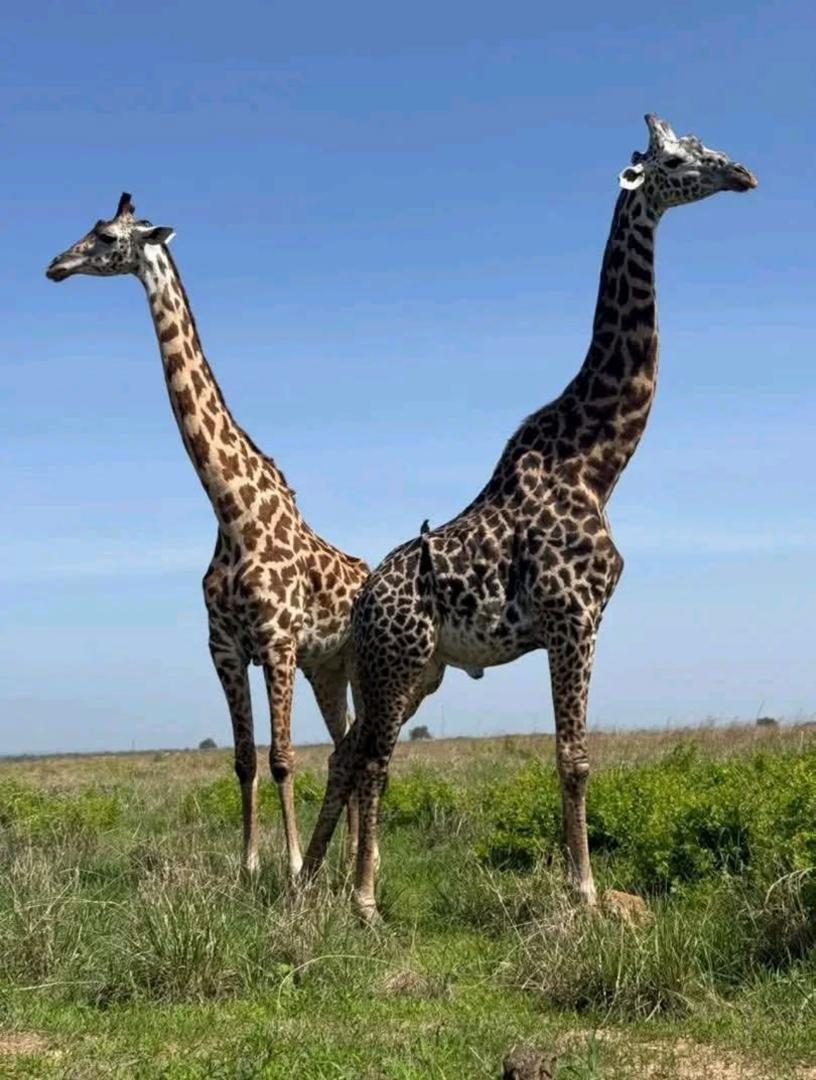
The Ngorongoro Crater is the world's largest intact volcanic caldera and one of the most extraordinary wildlife arenas on earth. Its steep walls enclose a self-contained ecosystem of grassland, forest, lake and swamp that supports an exceptional density of animals.
A descent into the crater floor offers one of the best chances anywhere of seeing the Big Five in a single day — lions, elephants, buffalo, and the rare black rhino are all resident, with leopards in the forested rim. Flamingos gather on the soda lake, and the scenery is simply spectacular.
Part of the wider Ngorongoro Conservation Area, where Maasai still graze their cattle alongside wildlife, the crater sits perfectly on Tanzania's northern circuit between Arusha and the Serengeti.
Highlights
- Big Five viewing in a single crater descent
- World's largest intact volcanic caldera
- Resident black rhino population
- Flamingos on the crater's soda lake
- Maasai culture within the conservation area
Frequently Asked Questions
Good to Know
Plan Your Visit
Let us build a tailor-made trip to Ngorongoro Crater — permits, lodges and transport all handled.
Get a Free Quote or chat on WhatsApp